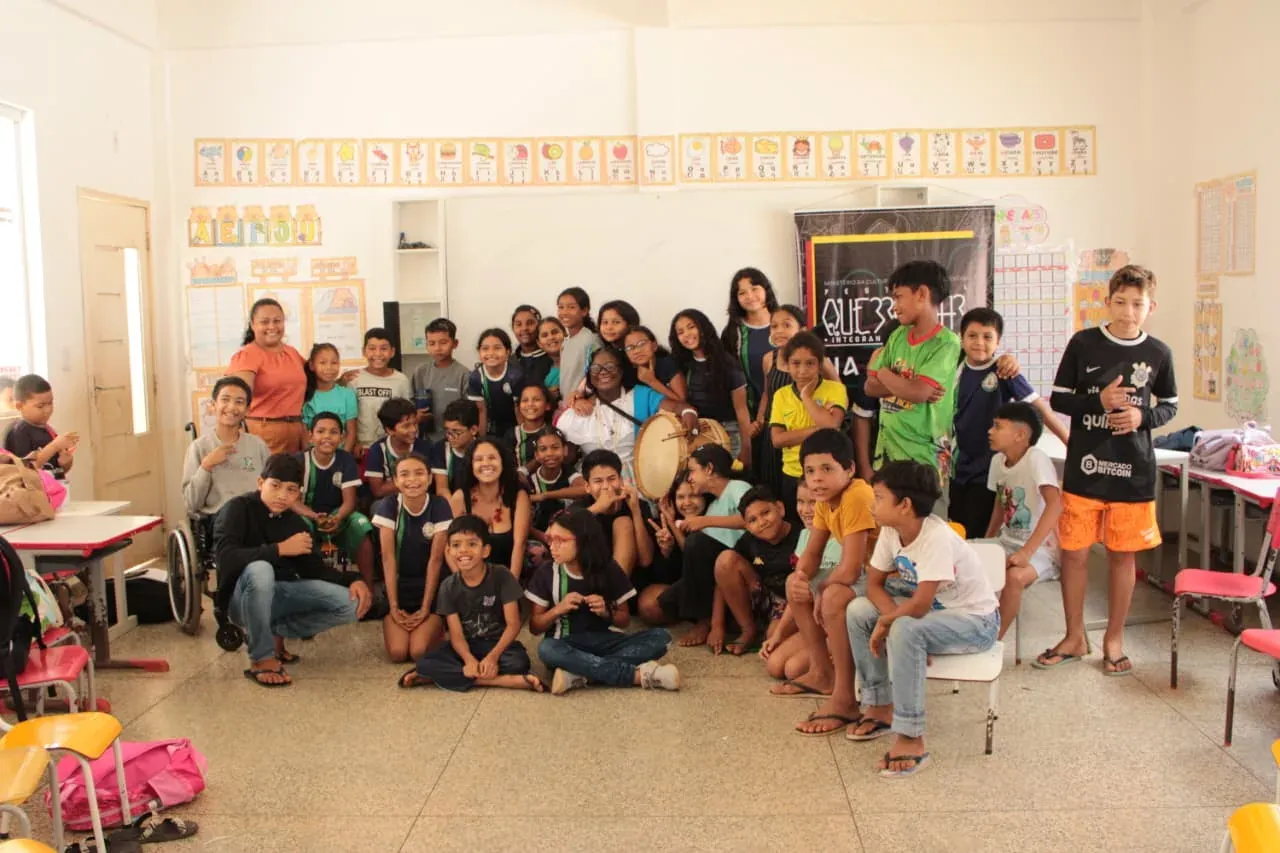
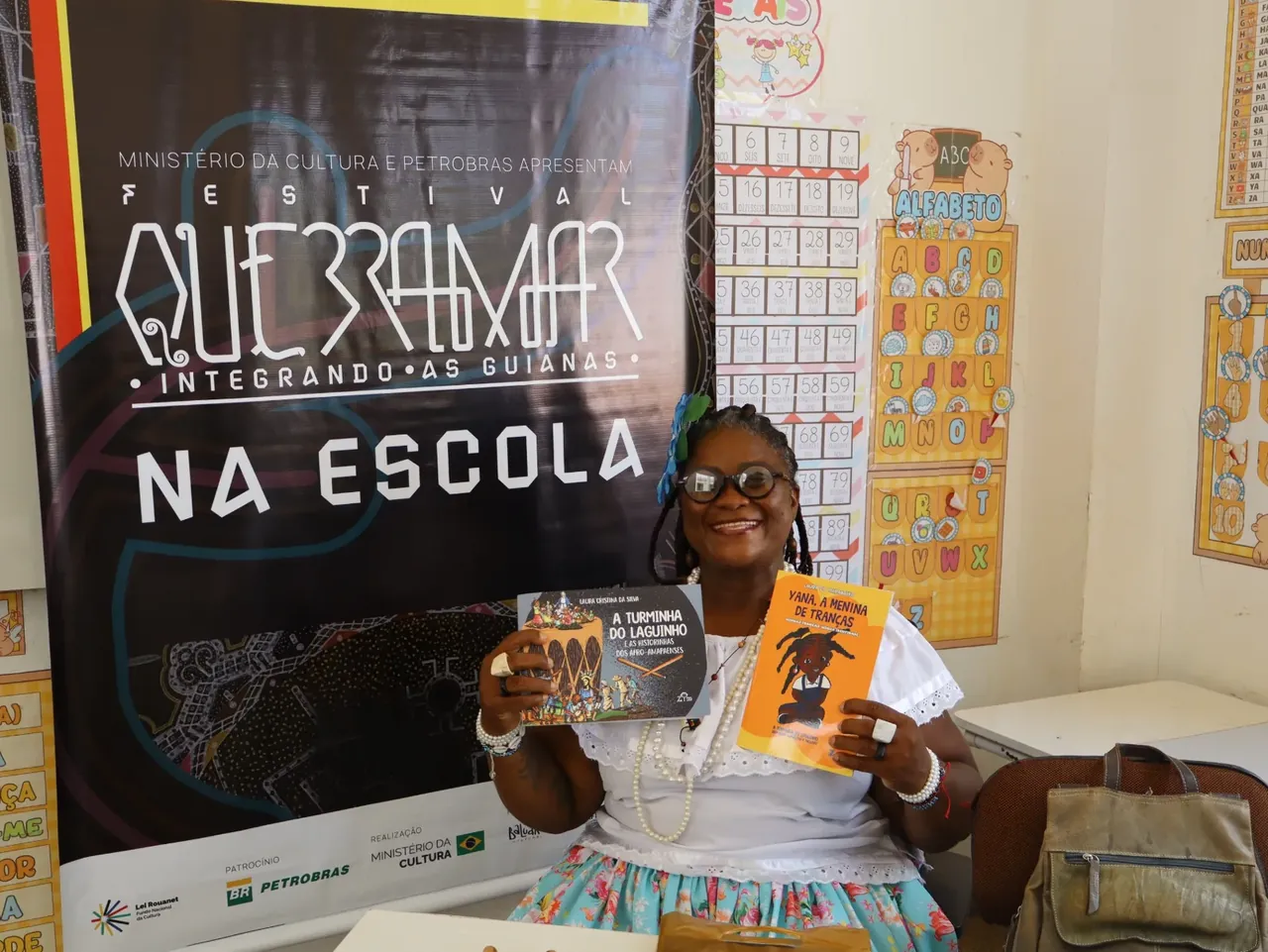
After Macapá and Santana, the Quebramar na Escola project arrived in Mazagão on September 15, continuing the initiative’s journey through different municipalities of Amapá. The activities took place at the Professor Pedro Correia de Souza Municipal Primary School and at the Fagundes Varela State School, in the district of Carvão, bringing workshops, storytelling and music to the students. The action is part of the Preamar phase, the first stage of the 8th edition of Festival Quebramar, which has master sponsorship from Petrobras, through the Petrobras Cultural programme, made possible by the Rouanet Law.
The visits to Santana and now to Mazagão reinforce the aim of taking culture beyond the capital, bringing children and teenagers from different municipalities closer to artists, producers and cultural languages. In this edition, Quebramar na Escola travels to public schools in Macapá, Santana, Mazagão and Oiapoque, encouraging students to recognise their stories, their knowledge and their territories as spaces for creation and expression.
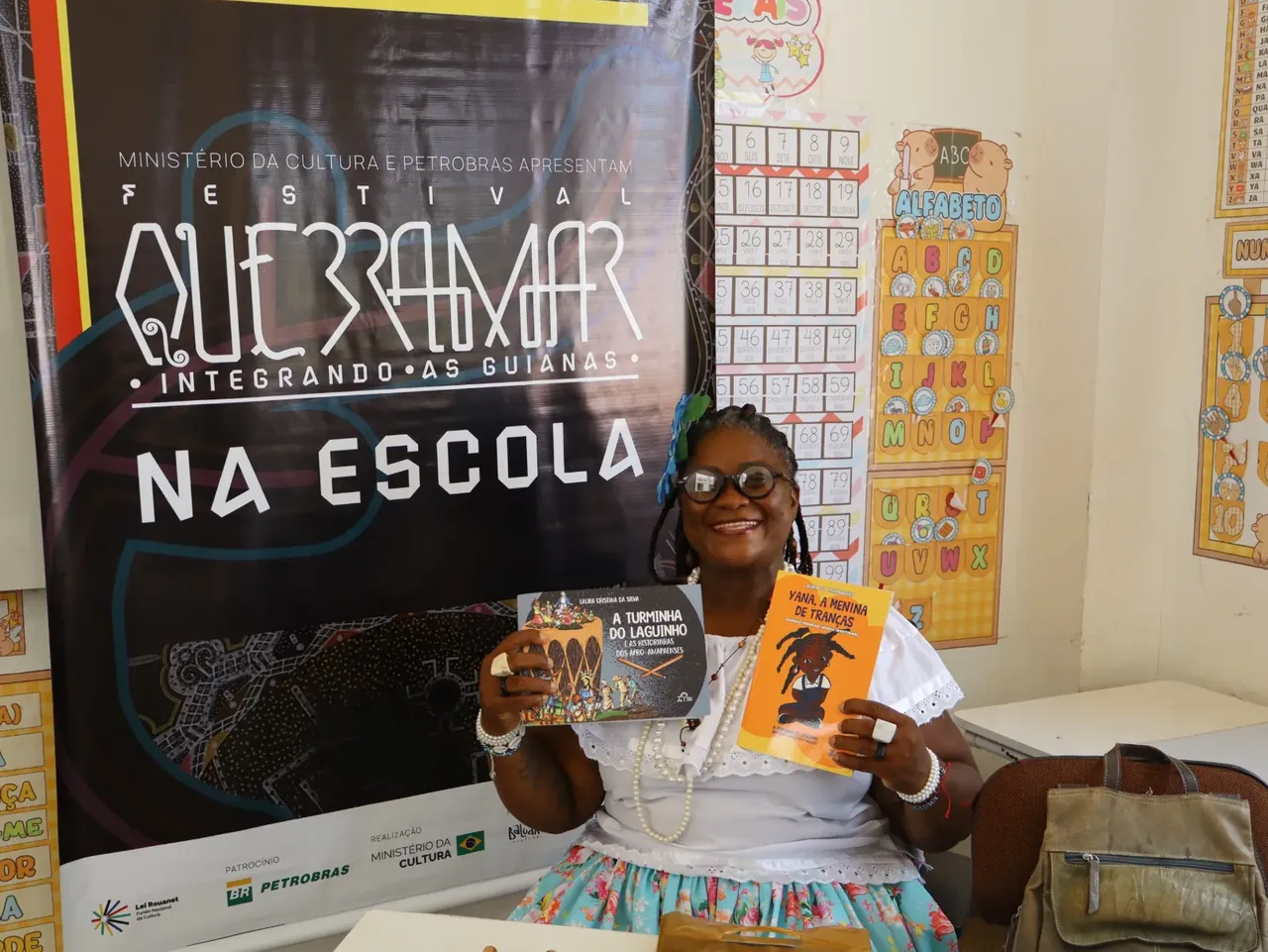
In Mazagão, the programme began at the Professor Pedro Correia de Souza Municipal Primary School, where students took part in a Storytelling session and Concert with Laura do Marabaixo. A writer and marabaixeira, Laura used narrative, music and elements of Afro-Amapá culture to bring the students closer to the traditions and stories of Amapá.
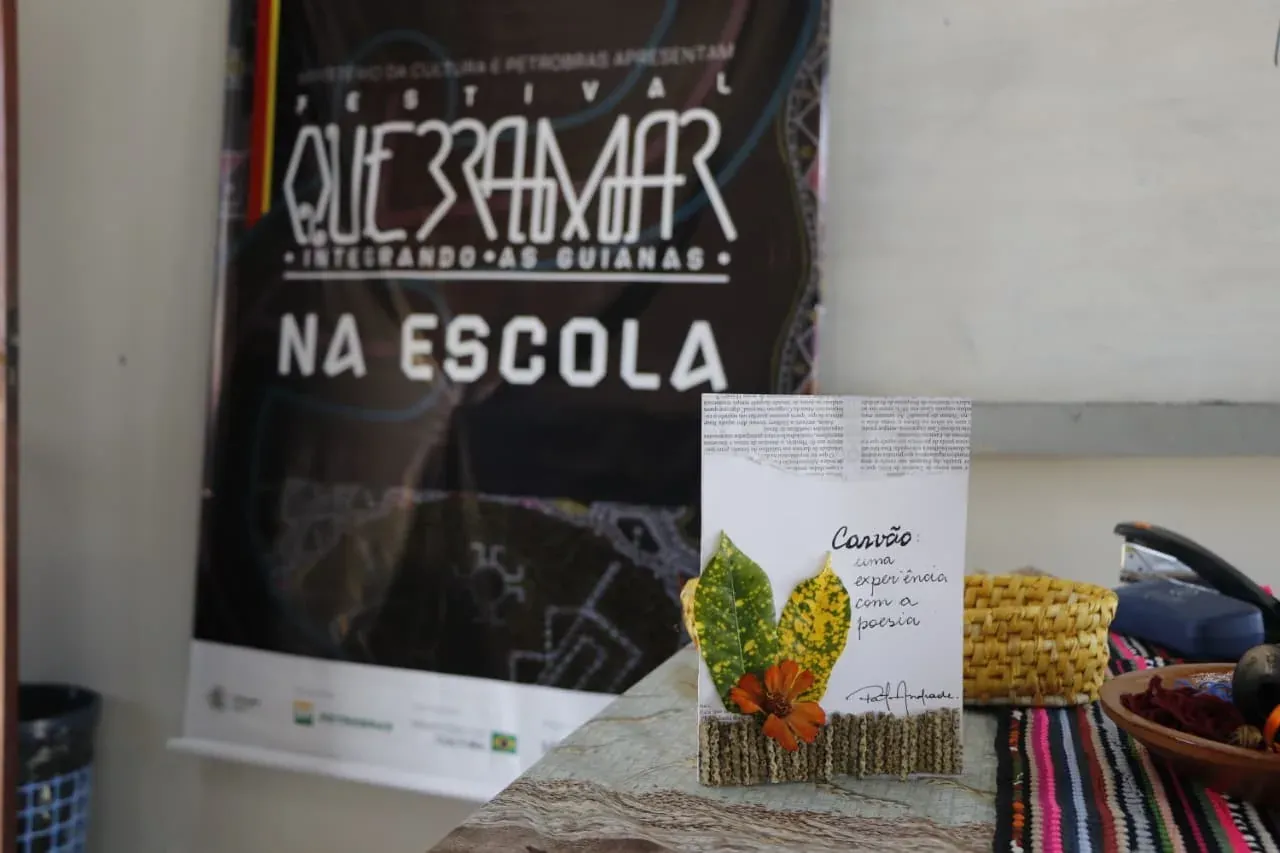
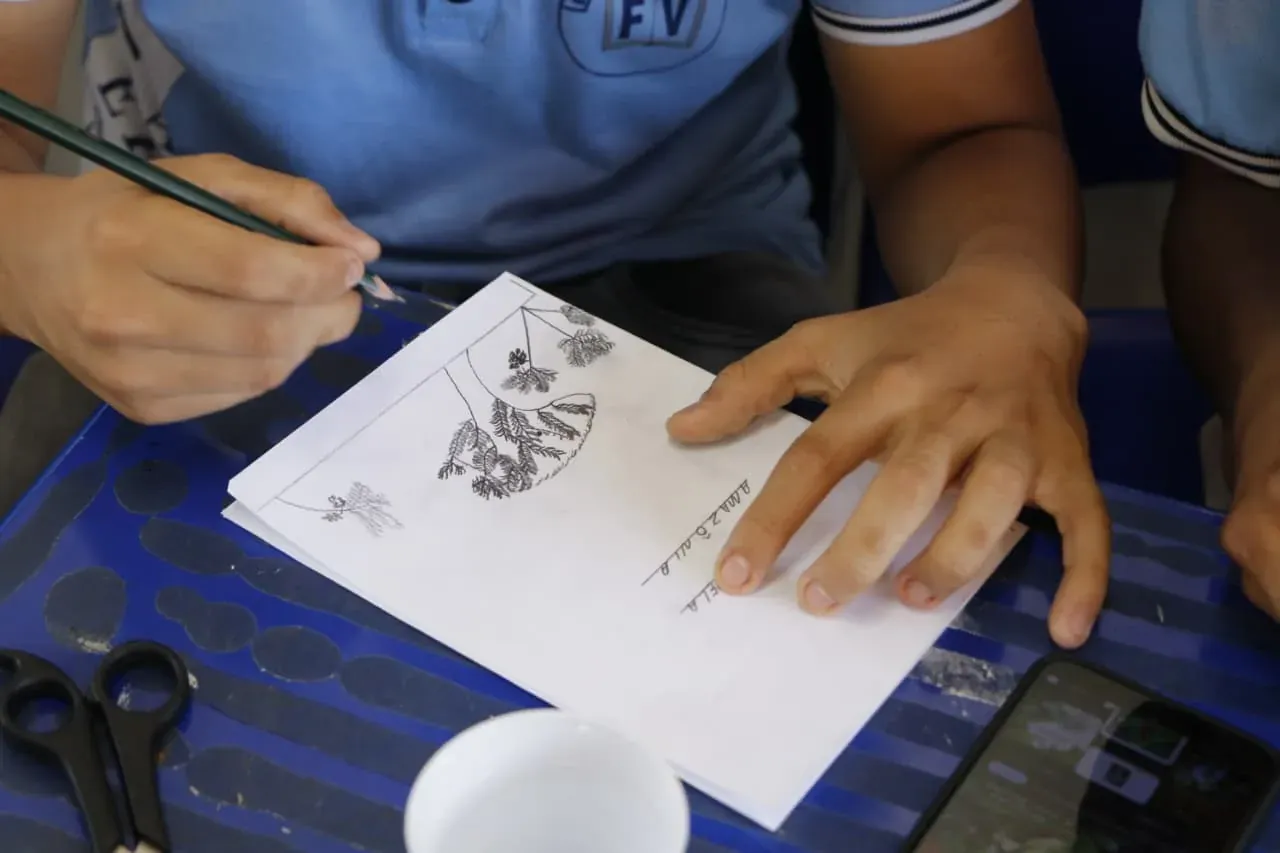
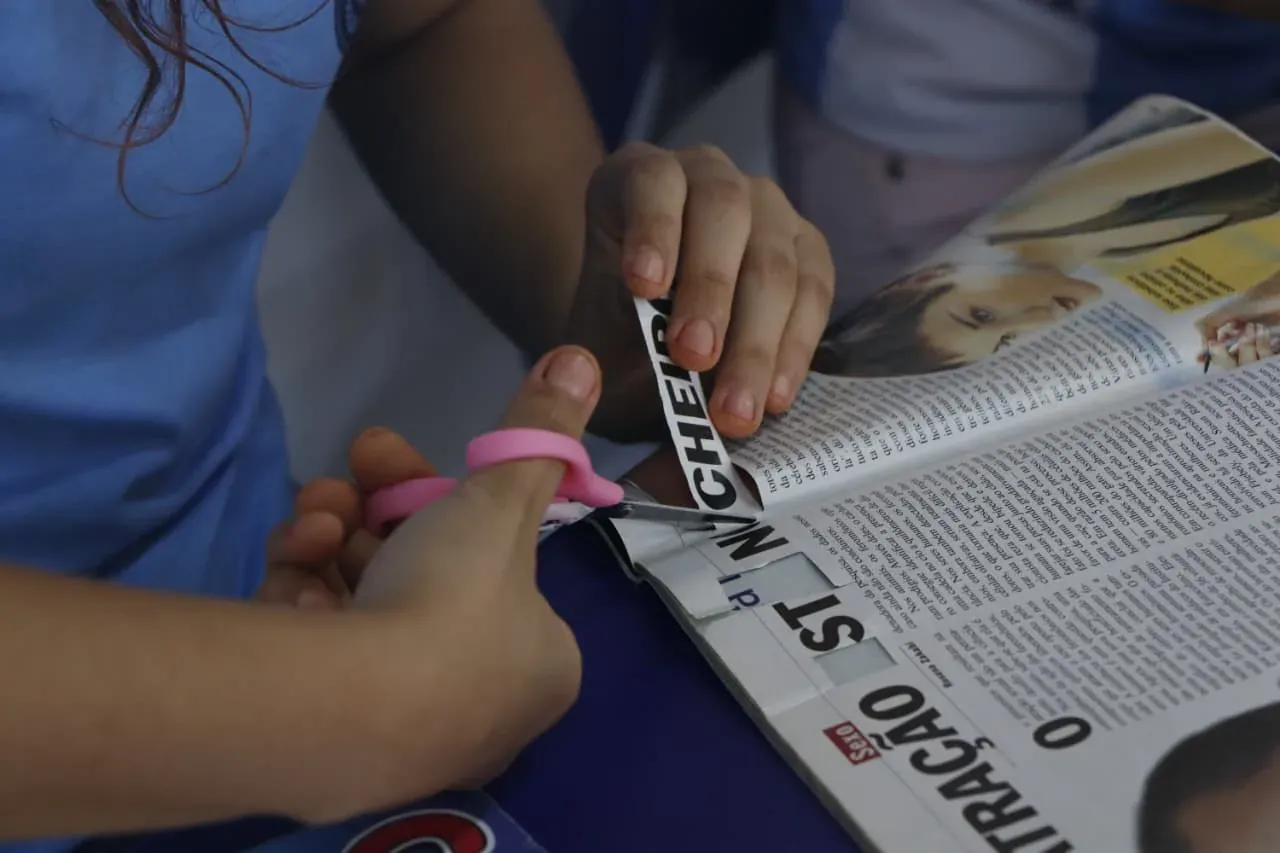
At the Fagundes Varela State School, located in the district of Carvão, students took part in the Media Activism workshop, with Bell Brandão and Gabriel Guimarães, and the Handmade Book and Conversation Circle, with Pat Andrade, as well as a concert by the band Luxuosos Corações.
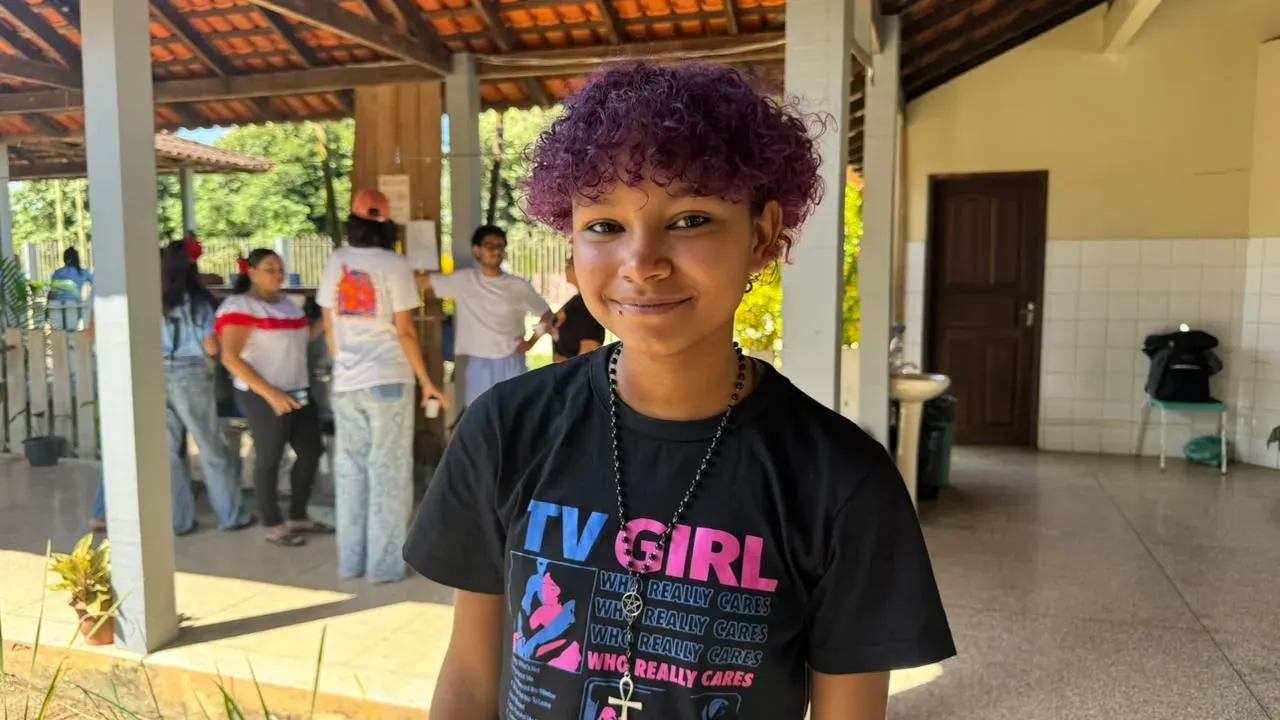
Joly Yuto, a student at the Fagundes Varela State School, highlighted the importance of having a different kind of cultural activity at school and of getting to know the cultural expressions of her own territory better.
“I found the workshop very important, considering that this specific kind of activity, which encourages the art and culture of our place, doesn’t often come to my school. We live in a culturally rich place and, many times, we aren’t aware of it.”
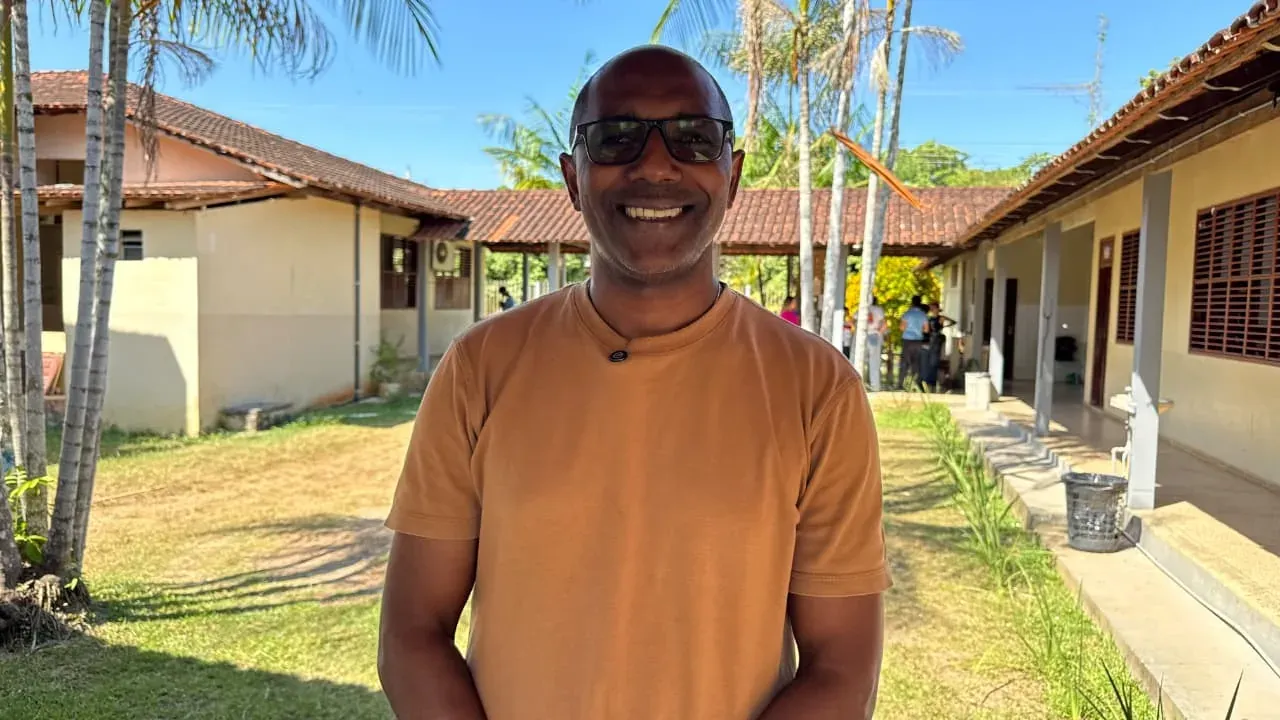
For the principal of the Fagundes Varela State School, Elias Lopes dos Santos, hosting the project was a special moment for the whole school community.
“It is a pleasure to welcome the project to our school. Through the commitment of our team, teachers and coordinators, we were able to make this moment so special for us and for our students. It is very important to offer experiences like this, which bring students closer to art, culture and new forms of knowledge.”
Culture that travels across the territory
Quebramar na Escola’s arrival in Mazagão, after its visit to Santana, is part of a circulation strategy that seeks to bring the festival’s programme closer to the different realities of the state. By taking over schools, the project creates spaces where artists and students meet and widens access to experiences that link culture, education and communication.
For Aldine Moura, executive producer of Festival Quebramar, travelling through the municipalities is essential for the project to engage with Amapá’s cultural diversity.
“Amapá has a very diverse cultural production that is not concentrated only in the capital. Each municipality and each community has its own stories, artists and knowledge. Taking Quebramar na Escola on the road is a way of getting closer to these territories and, above all, of giving students contact with different languages and possibilities of expression.”
Quebramar na Escola aims to encourage children and teenagers to experiment with different languages and to realise that they too can be content producers and protagonists of their own narratives. Through literature, music, communication and handmade production, students discover new possibilities of expression and begin to see their own territory as a source of stories.
In its 8th edition, Festival Quebramar returns with the theme “Integrating the Guianas”, bringing together a programme focused on original and independent music, cultural exchange and the circulation of artists and professionals of the cultural chain.
After the activities in Macapá, Santana and Mazagão, Quebramar na Escola will head to Oiapoque on September 23, extending the project’s journey across Amapá even further.
Next Quebramar na Escola activities
Oiapoque — September 23
Márcia do Socorro Municipal School
Morning, 8 am to 10 am
Programme: Storytelling and Concert with Anthony Barbosa.
Jorge Iaparrá State Indigenous School
Afternoon, 2 pm to 4 pm
Programme: Media Activism with Bell Brandão; Handmade Book and Conversation Circle with Pat Andrade; Concert with “Dois”.