The 8th edition of Festival Quebramar has begun reaching new spaces and, above all, new audiences.
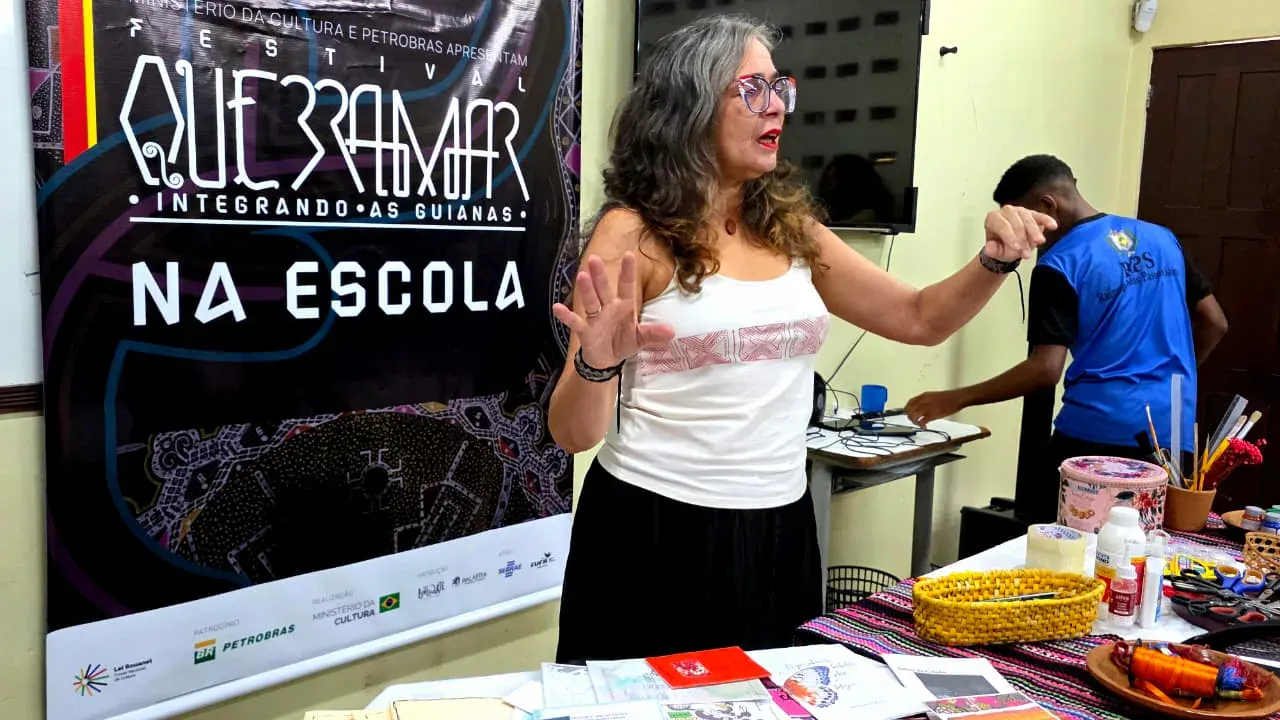
With Petrobras as master sponsor, through Brazil’s Federal Law for Cultural Incentives — the Rouanet Law — and presented by the Ministry of Culture, the first stage of the Festival began this Wednesday, September 2, in Macapá, with Quebramar na Escola.
The initiative aims to bring culture into schools and show students that their stories, experiences and territories can also be transformed into music, books, images and other forms of expression.
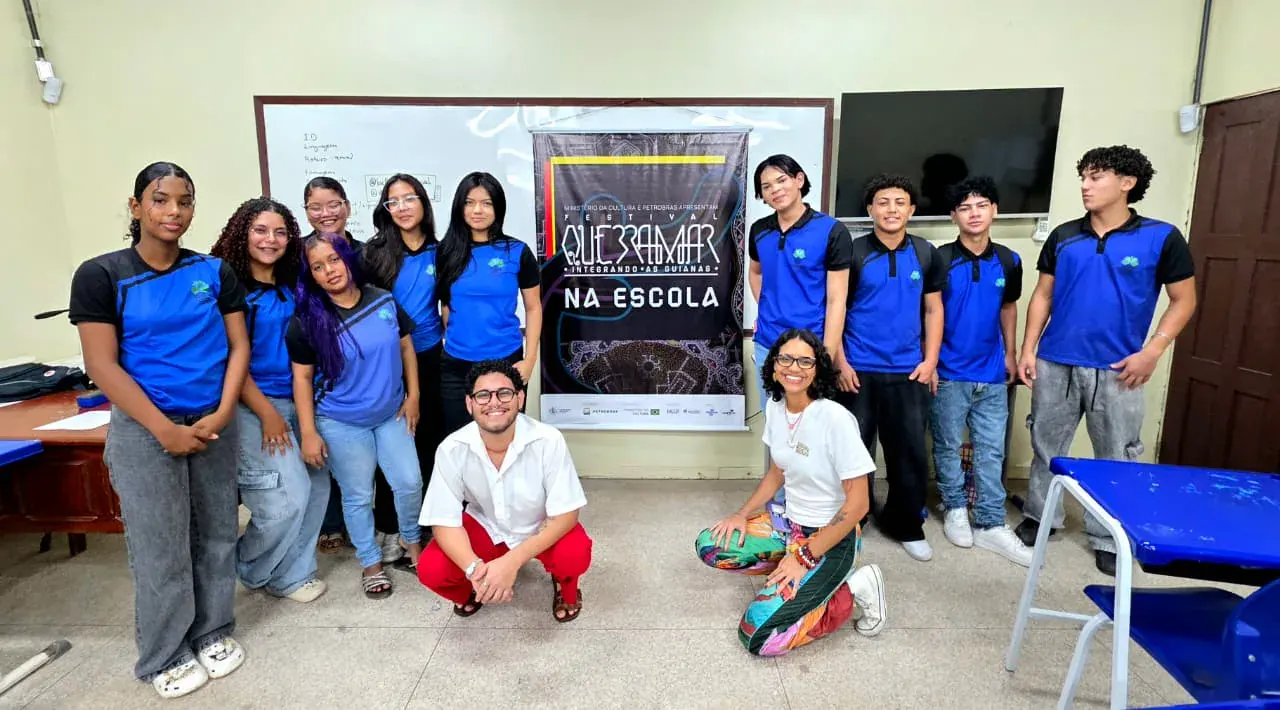
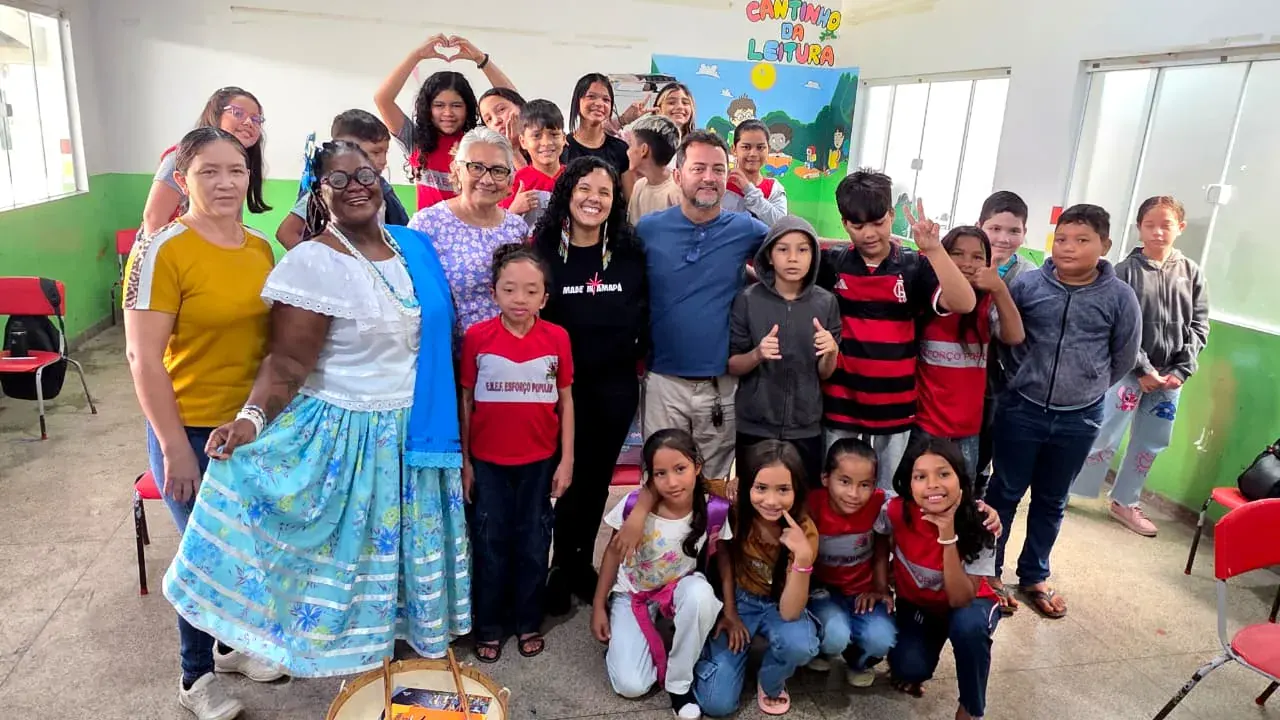
At the first stop on the circuit, the students’ enthusiasm stood out. At Escola Municipal Esforço Popular, the morning featured storytelling and music with Laura do Marabaixo. Through stories, songs and conversations, students took part in the activities and experienced something different from their usual school routine.
According to the school principal, Vera Favacho, the project helped bring students closer to culture in an engaging and participatory way.
“It was wonderful to see the joy and involvement of our students. They participated, interacted and embraced the initiative. It is an experience that goes beyond the classroom routine and gives them contact with art, stories and other possibilities for learning.”
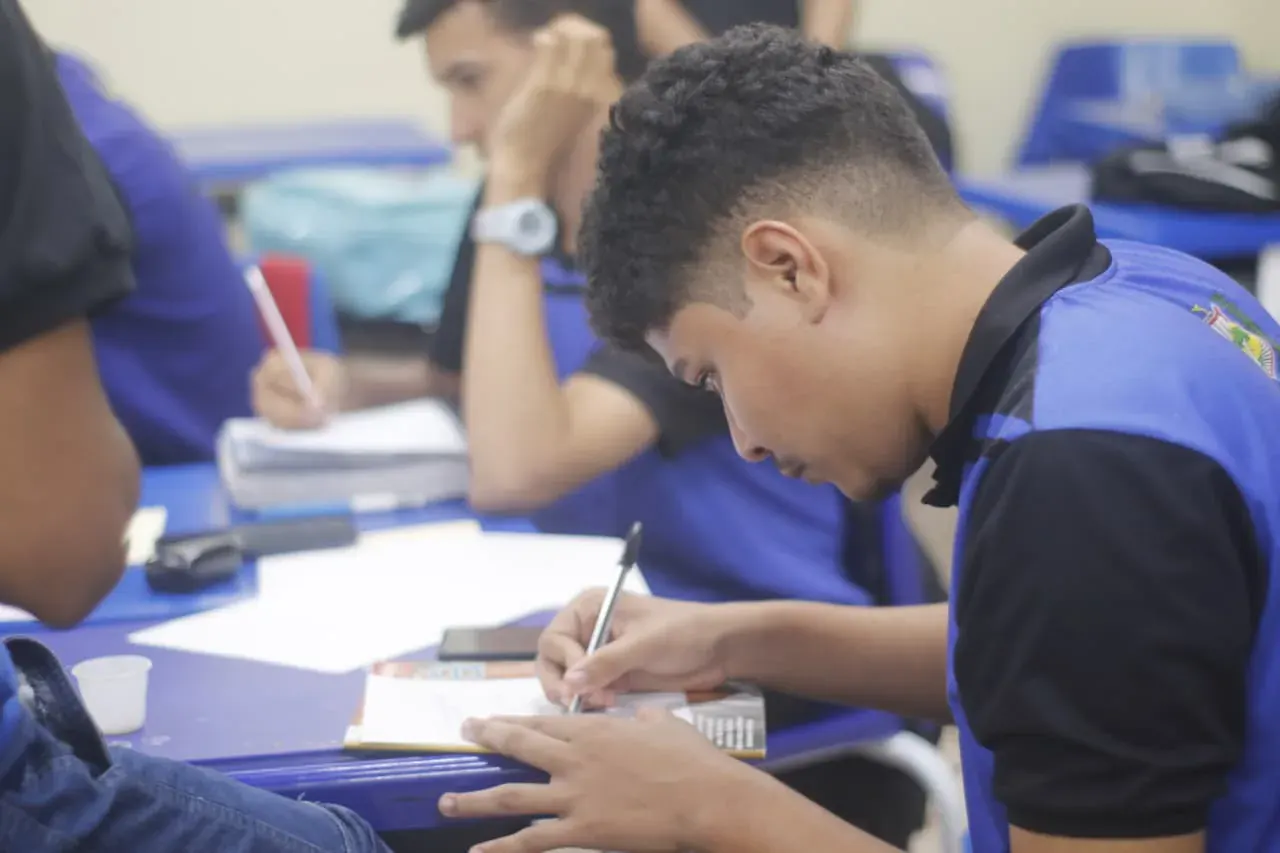
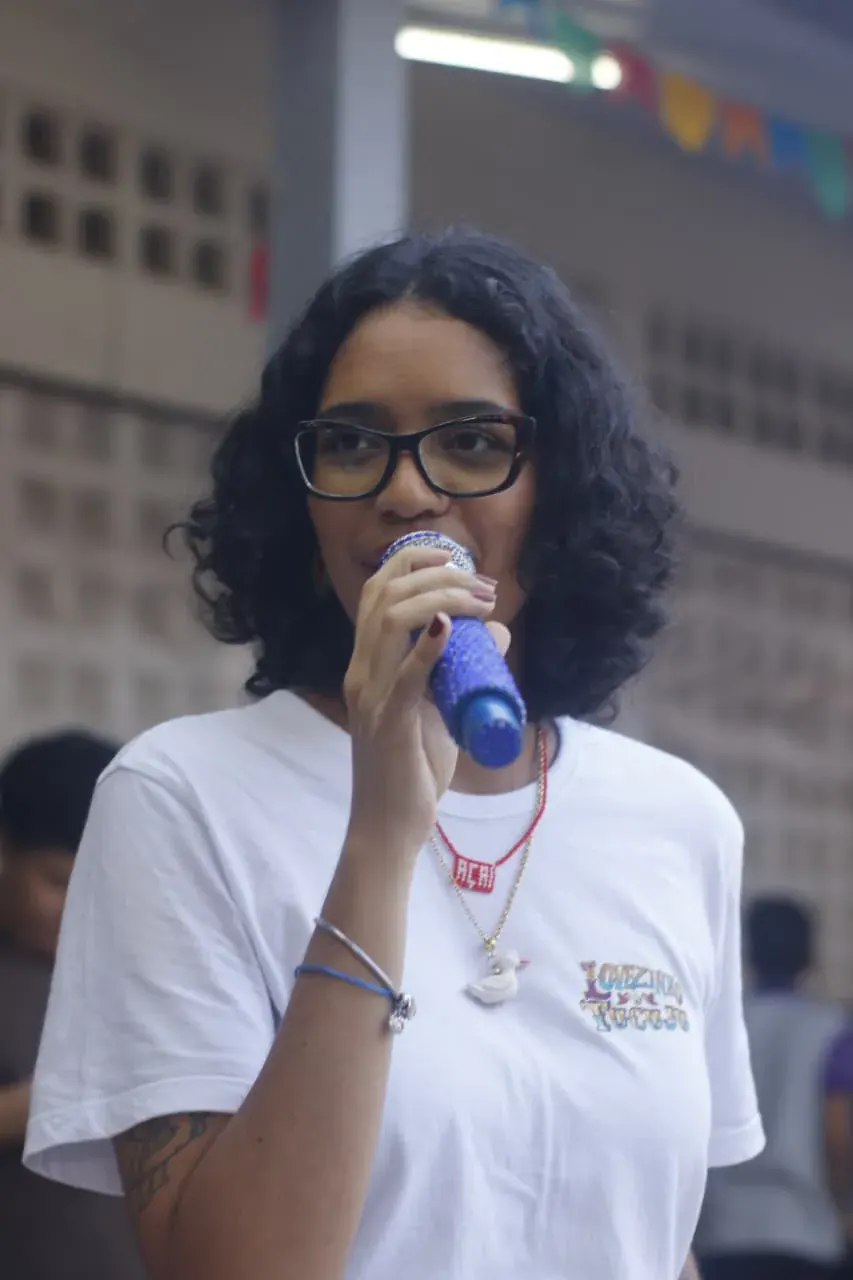
In the afternoon, Quebramar arrived at Escola Estadual Professora Raimunda dos Passos Santos, where students took part in a media activism workshop led by Bell Brandão and Gabriel Guimarães. The activity encouraged young people to observe everyday life, reflect on their realities and think about ways to tell their own stories using communication tools.
According to Bell Brandão, the students’ response was one of the highlights of the activity.
“They were very receptive and curious. We realized there was a real interest in talking about what happens where they live, about their experiences and about things that often do not appear in the media. Gabriel and I built the workshop together with them, listening, challenging them and showing that they too can produce content and tell their own stories.”
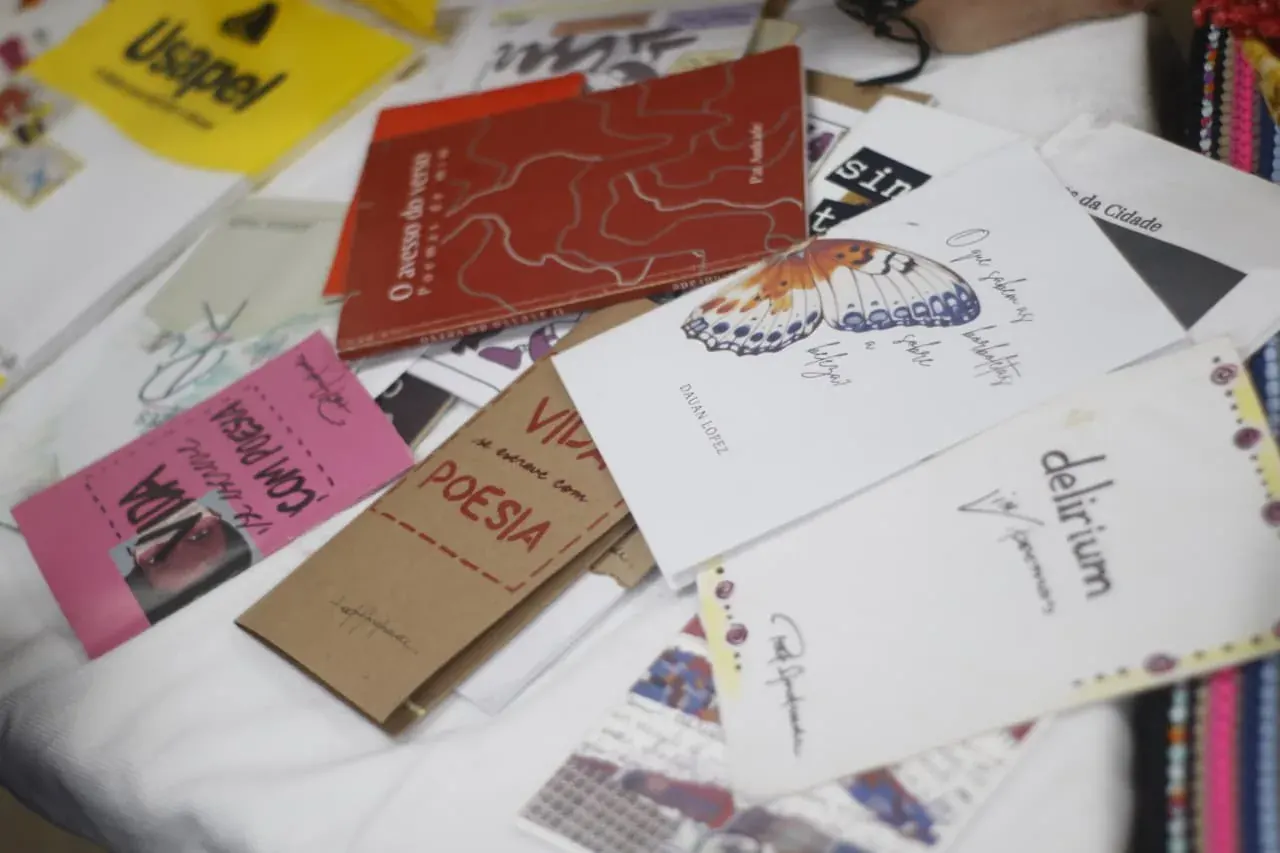
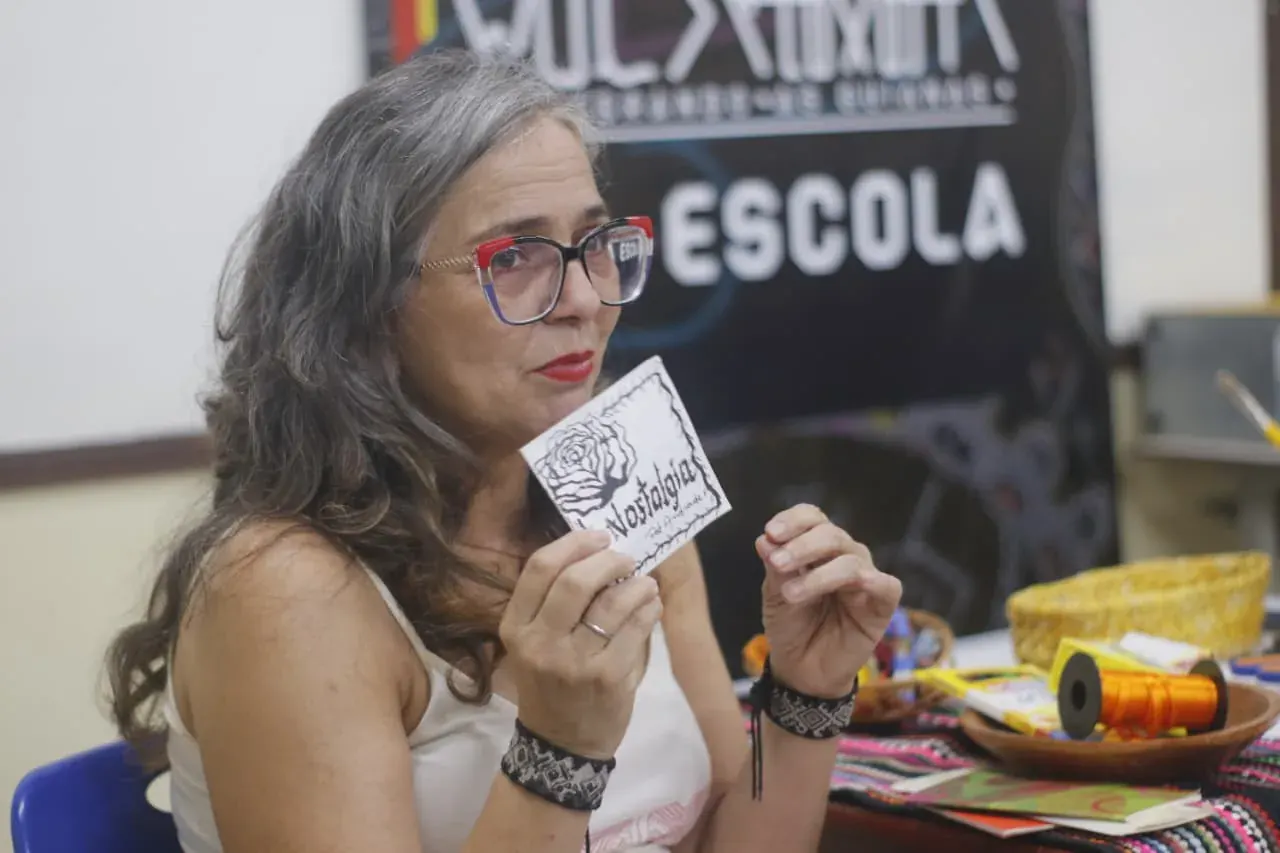
During the afternoon, there was also a handmade book workshop and a conversation circle with writer Pat Andrade, as well as a musical performance by Bell Brandão. The program created opportunities for exchange, allowing students to experiment with different forms of expression and realize that a memory, an experience or an everyday situation can take on new forms when transformed into a narrative.
For Festival Quebramar executive producer Aldine Moura, meeting with students is an essential part of this edition’s proposal.
“When we enter a school, we do not bring only a program. We bring possibilities. We want these students to see themselves as people capable of creating, telling, recording and sharing their own stories.”
After Macapá, Quebramar na Escola continues its journey across the state. The program visits Santana on September 9; Mazagão on September 15; and Oiapoque on September 23, bringing storytelling, music, handmade books, conversation circles and media activism to students from different communities.
A festival that begins inside the school
With the theme “Integrating the Guianas”, Festival Quebramar returns for its 8th edition, bringing together artists, territories and audiences. Before the main program begins, the festival invests in learning and in building closer connections with new generations.
After Quebramar na Escola, the program continues with the Batalha de Bandas, accepting applications from September 20 to October 5, and Maré Lançante, on September 26 at Parque Residência. The main program will take place from October 27 to November 1, in Macapá.